Roof soffit - what you need to know
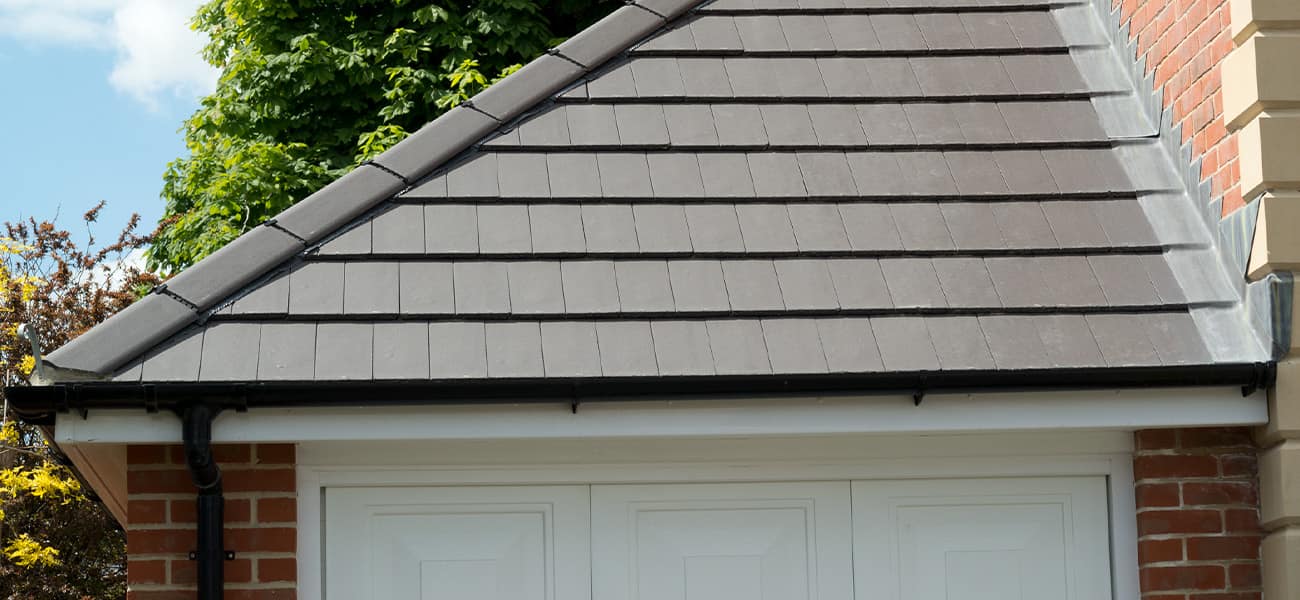

A roof soffit is the exposed, horizontal surface on the underside of a roof overhang, bridging the gap between the siding and the roof edge. Acting as an "outdoor ceiling," it protects rafters from weather, prevents pests from entering the attic and provides essential ventilation to prevent roof decay.
They come in two forms:
- Solid – Offering a seamless finish to your eaves.
- Ventilated – Featuring small holes or slots that allow air flow into the house.
Both can be designed and specified as part of a complete roofing system. They are simple to install and easy to maintain or replace over the lifecycle of the building.
Why are roof soffits important and what are their benefits?
Roof soffits provide a range of key functions that benefit your home, making them an indispensable part of any pitched roof system, including:
- Improved aesthetics – A roof soffit makes the whole system look complete and can ‘finish off’ your home in a simple, stylish way.
- Ventilation – Ventilated soffits can help prevent moisture build-up in your home, reducing the risk of mould and rot which can damage its structure.
- Insulation – Roof soffits can help to insulate the rafters and contribute to your home’s energy efficiency.
- Protection – Roof soffits protect the structure of your roof from weather and pests which can damage it.
What are the different types of roof soffits?
Roof soffit material is an important consideration as part of your overall roof design. You want a material which is durable and low maintenance, but which also doesn’t negatively impact the aesthetic appeal of your design.
Most roof soffits come in the following materials:
- Wood – These are especially suitable for heritage or period projects and can offer a unique look. However, they can also be more expensive and can require more maintenance.
- uPVC – The most common choice for newer builds. They are resistant to moisture and rot, as well as being affordable and durable. uPVC may not suit all types of aesthetic, but it is a popular choice for many homes and other buildings.
- Metal – These tend to be the most weather-resistant soffits and can look especially aesthetically pleasing. However, they can be the more expensive choice up front.
Each type of soffit comes with different considerations, but the Marley team can help you choose the ideal material for your next project. We have all the technical knowledge required to help you select the right option and can help you design it as part of an overall pitched roof system.
Get technical guidance for your next roof project and more information about roof soffits by contacting the Marley team.
Disclaimer - The information shared in this blog is correct at the time of publication. Guidance, standards, and best practices may change over time, so if you’d like further clarification or the latest updates, please get in touch with the Marley Technical Advisory Team, who will be happy to help.