Roof tiles vs shingles - whats the best option in the UK
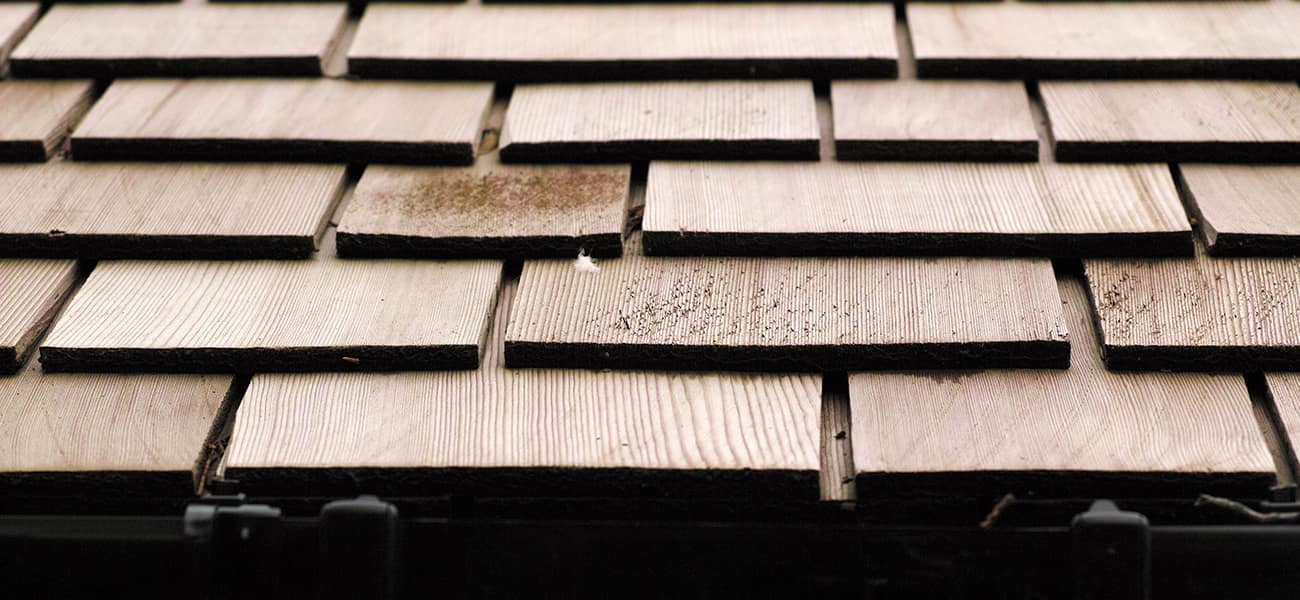

Roof coverings for pitched roofs come in a variety of types, including clay and concrete tiles, natural slate, bitumen shingles and cedar shingles and shakes. However, depending on your geographic region and the type of structure being roofed, not all of these products will be suitable. So the question shouldn’t be “Which roof covering is best?” but rather, “Which roof covering is best for my project”?
In this blog, we will take a closer look at roof tiles and roof shingles – how they’re made, how they’re used and how to determine the right roof covering for project requirements.
How are roof tiles and shingles used in the UK?
In the UK, roof tiles are the most common type of roof covering for pitched roofs. The 2008 English Housing Survey(1) found that 93% of dwellings had pitched roofs, and that the most common type of roof covering was concrete tiles (58%). Clay tiles accounted for 16% of homes, and 15% had natural slate or stone roofs.
For UK homes, bitumen tiles are not considered suitable, due to our high winds and damp weather, and they also aren’t always compatible with UK construction methods or building regulations. However, in North America and some other regions where timber-framed buildings are standard, bitumen shingles are the norm. For some smaller projects in the UK, such as garden sheds and outbuildings, bitumen shingles may be suitable.
Faye Ratcliffe, technical team leader at Marley, notes that with correct specification and installation, some cedar shingles and shakes, such as Marley’s Western Red cedar, can be used for pitched roofs on larger structures in the UK. “Marley’s cedar shingles and shakes have been used on heritage properties, private homes, offices and commercial buildings,” she explains. “They’re also a popular choice for smaller structures like garden sheds, gazebos and outbuildings,” she adds.
When selecting the best type of roof covering for a project – whether that’s roof tiles or roof shingles – the key is to understand the different options, as well as the project's specification and design considerations.
What’s the difference between roof tiles and roof shingles?
There are many differences between roof tiles and roof shingles, including the materials used to make them, their appearance, weather resistance, weight, cost, lifespan and fire performance. Let’s take a look at some of the most common roof tile and shingle types:
- Clay and concrete roof tiles – Clay and concrete roof tiles are widely used across the UK for their durability, long lifespan and classic appearance. Both are heavier than shingles and are fixed using nails or clips. They suit a broad range of projects, from residential homes to commercial buildings, and typically last 60 years or more. They also provide excellent weather and fire resistance.
- Natural slate – Available in a variety of natural colours, slate is heavier than most other roofing products and usually requires additional structural support. Slate is fixed with copper or stainless steel nails. It offers a long lifespan, durability and fire performance.
- Cedar shingles and shakes – Lightweight and naturally rich in oils, cedar shingles and shakes resist splitting, decay and insect attack, and they can also be treated for additional durability. Freshly installed shingles have a warm honey colour that weathers to silvery grey, and they can be used to create either a sleek modern appearance or a rustic, textured aesthetic. With proper care, they can last up to 50 years. Western red cedar is recognised as the best thermal insulator amongst the commonly available softwoods. It also provides acoustic insulation.
- Bitumen shingles – Bitumen shingles, sometimes called felt shingles, are made from fibreglass, coated with bitumen and topped with mineral granules. They are lightweight, easy to install and cost-effective, but in the UK their use is generally limited to small buildings such as sheds or garages. The lifespan of bitumen shingles typically ranges from 20 to 30 years, depending on product quality and installation.
What are the benefits of roof tiles vs roof shingles?
Roof tiles are the most common type of pitched roof covering in the UK for several reasons, Faye explains. “When specified and installed correctly, they provide adequate protection against rain, wind and dampness, as well as fire performance in line with Approved Document B (England) and the equivalent regulations in Scotland, Wales and Northern Ireland,” she says. “They also provide the classic appearance that homeowners expect.”
Shingles tend to be lighter in weight and more cost-effective than tiles. However, depending on the type of shingle, their performance and other characteristics can vary widely. Bitumen shingles, for instance, are less durable in the UK’s wet and windy climate, so are only suitable for smaller structures like sheds and garages.
Cedar shingles, on the other hand, are more weather-resistant. They also provide natural and sustainable options. “When correctly specified and installed, cedar shingles can provide long-lasting weather protection, excellent thermal properties and a distinctive aesthetic that can complement both traditional and contemporary designs,” Faye explains. “They’re particularly well suited to projects where appearance, sustainability and lighter weight are key considerations,” she adds.
She highlights a project on the west coast of Scotland, where Marley's Western Red Cedar Shingles were used as a roof covering. The house featured a curved section with a conical roof. “Marley’s cedar shingles were chosen for their natural appearance and compatibility with the unique roof shape,” Faye explains. “The shingles were also treated to provide extra protection against wood-rotting fungi and insect attacks, while also allowing them to weather naturally without any staining,” she says.
“The finished roof looked lovely on the unique home, and the cedar shingles fit in perfectly with the natural coastal surroundings."
Roof tiles and cedar shingles and shakes from Marley
Marley’s clay and concrete roof tiles deliver long-lasting durability, excellent fire and weather resistance and a classic appearance that suits most UK residential and commercial roofs. Our Western Red Cedar shingles and shakes provide a lighter, sustainable alternative, combining natural beauty with versatility for both traditional and contemporary projects. All are compatible with our complete roof system, which also includes JB Red battens, underlays, dry-fix accessories, roof ventilation and the Marley SolarTile.
We also offer a variety of guidance and specification tools to help you choose the right roofing product for your next project. To find out more about our range of roof coverings, visit our dedicated product pages. Or you can purchase our Western Cedar Shingles here.
1. https://assets.publishing.service.gov.uk/media/5a74e1eced915d3c7d528af9/1750754.pdf
Disclaimer - The information shared in this blog is correct at the time of publication. Guidance, standards, and best practices may change over time, so if you’d like further clarification or the latest updates, please get in touch with the Marley Technical Advisory Team, who will be happy to help.
Category: Environmental Shingles and Shakes Timber