Tile roofs vs slate roofs
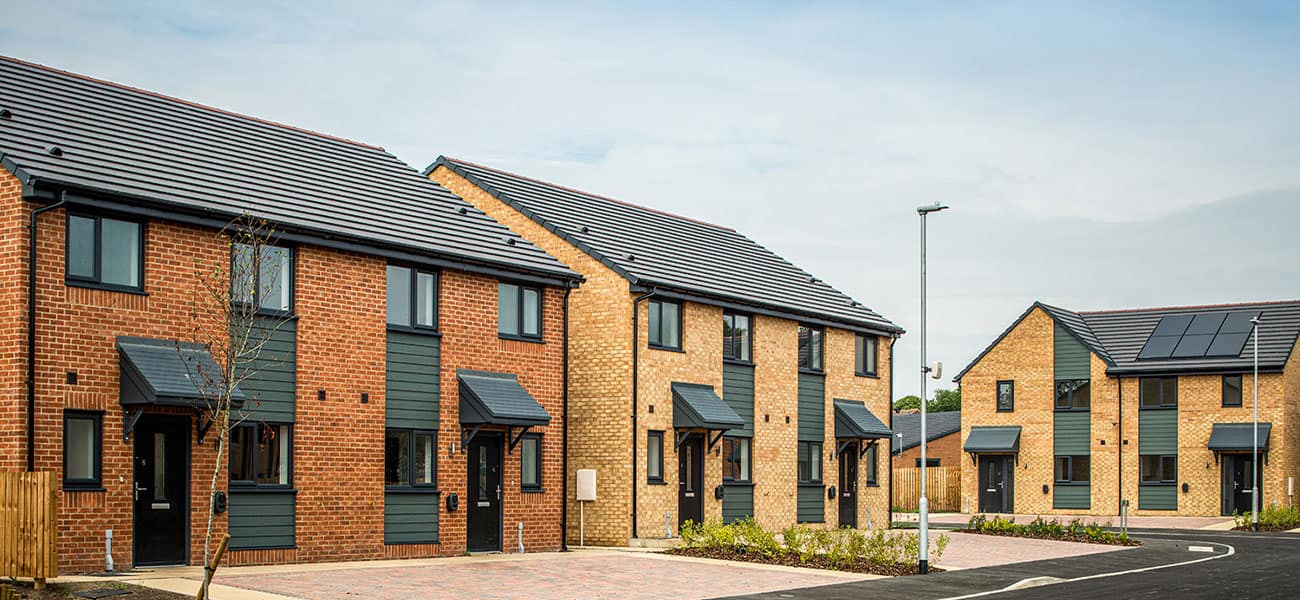

Tile roofs and slate roofs can be viable choices for a new roof or re-roofing project, but there are some considerations which may dictate which is most appropriate. Marley can support you with this process by means of expert advice from the earliest design stage, through material estimation, procurement and installation.
Read on to learn more about:
- What is a tile roof?
- What is a slate roof?
- Tile vs slate roof: What are the key differences?
- Which type of roof is suitable for different applications?
- What are the considerations when choosing between a tile or slate roof?
- Does Marley offer a warranty on its roof tile products?
What is a tile roof?
A tile roof is one of the most common roof types and is instantly recognisable. The tiles are manufactured from either clay or concrete. They are laid in an overlapping or interlocking pattern which forms a key part of the overall roof structure and keeps the weather out of your home.
There are many different types of clay and concrete roof tiles which vary by profile and performance. Some common types are:
- Plain tiles – The most common roof tile. They are flat and laid in an overlapping pattern.
- Pantiles – These tiles are shaped like a wave and are laid on columns. They interlock and provide a unique visual profile.
- Roman tiles – Mostly flat except for a half-round roll down the side. When laid, they create ridges which run down the roof from top to bottom.
What is a slate roof?
Slate is a natural material formed from shale under high heat and pressure. It is typically quarried and then shaped into roof tiles by hand. It provides a classic, deep grey look that gives any roof a natural beauty.
It also offers a range of inherent benefits which ensure it is a long-lasting choice when used as a roofing material, such as:
- Weather resistance, no absorption of water
- Robust in all temperatures, including freezing conditions
- Undamaged by UV, ensuring no fade or discolouration over time
Tile vs slate roof: What are the key differences?
Specifying the right roofing material is key to ensuring your project is aesthetically pleasing, resilient and efficient in operation. Your choice of roof covering is one of the most important decisions you will make, and there are key differences between tile roofs and slate roofs:
Tile vs slate roof - Colouring and style
Slate roofs will always provide a deep-grey colour range in a similar style, creating that signature slate look which is so attractive to many people. However, that means if you want a different shade, or slate is not the right fit visually on your project, you will need to look elsewhere. An exception is the Marley slate-effect concrete tiles which give the aesthetic of slate and are available in four colours – Anthracite, Old English Dark Red, Smooth Brown and Smooth Grey.
Clay and concrete tiles offer a much wider range of colours and styles because they are a manufactured product, making them more versatile and suitable for a wider range of architectural styles. They are able to blend in with almost any architectural style, local vernacular or other materials as there is simply a much wider range of aesthetic options with a tile roof.
Tile vs slate roof - Durability, maintenance and repairs
Slate tiles are often more durable than clay or concrete roof tiles, with a lifespan of up to 150 years. However, they can be harder and more expensive to mend or replace if they break. In a place with weather like the UK, that is a real concern that should be accounted for at the design stage as the ongoing cost of maintaining a slate roof may be higher in the long term.
Marley clay and concrete roof tiles offer up to 100 years of durability and can be repaired or replaced much more easily than slate, potentially reducing the ongoing cost of maintenance and repairs over the lifespan of the roof. That makes them a better option in many cases where wear and tear is anticipated from high winds or other more extreme weather.
Tile vs slate roof - Cost of materials and installation
Slate is the more expensive option in almost all cases. The cost of quarrying and working the natural material combined with a more specialised installation process pushes the price of slate upwards. In comparison, a manufactured clay or concrete tile roof is easier to produce, install and maintain, making it more affordable without sacrificing aesthetic beauty. You can even choose a manufactured concrete tile which mimics the appearance of slate if you want the best of both worlds.
Tile vs slate roof - Structural complexity and requirements
Slate roofing is heavier than clay or concrete tiles, so it will often need a reinforced structure requiring more materials, a more involved design process and potentially a longer construction programme. This can make design and installation both more complex and expensive. In contrast, a lighter tiled roof does not require so much additional support and can therefore be a more versatile choice which is physically and financially suited to a wider range of projects.
Tile vs slate roof - Environmental considerations
A tiled roof can be a better insulator than a slate roof. Clay tiles in particular can help your home run in a more energy-efficient manner, potentially reducing heat loss and the running cost of your home when compared to alternatives. Slate roofs are not considered to be as energy efficient in operation. However, slate production does not use as much energy in the manufacturing stage as it is a natural product processed by hand. Which gives them lower embodied carbon emissions and ensures they are still comparably sustainable over the lifecycle of the product. Following the end of the useful lifespan of a tile roof or slate roof, clay tiles are easier to recycle and reuse in many cases.
All Marley roof tiles are rigorously designed and tested to achieve the highest possible quality standards. If you are deciding between a tile roof and a slate roof, our range of roof tile products is sure to include the perfect option for your next project.
Which type of roof is suitable for different applications?
When you are trying to decide between a tile roof and a slate roof, it’s important to think about what sort of building you are developing. Each type of roof is better suited to different applications, and the key differences between them can help guide your design choices.
What types of building are tile roofs most suitable for?
A tile roof is suitable for a wide range of building types. It is an affordable choice which is simple to design, specify, install and maintain. Those qualities have made clay and concrete tiles the default choice for new builds across the country. However, the extremely wide range of colours and styles available with tile roofs mean it can be a good choice for any type of home or other building type, not just brand-new ones. You can find the right tile roof to fit with any architectural style or local vernacular with ease, no matter the type of project.
What types of building are slate roofs most suitable for?
A slate roof is a better option if you are designing or building with a more traditional style of architecture. Similarly, if you are planning a renovation project of an older home or restoring a period property, slate could be the natural choice to suit the building’s aesthetic style.
What are the considerations when choosing between a tile or slate roof?
When considering a tile roof vs slate roof for your project, you should consider the following factors to determine the best choice for you:
- Any aesthetic or style constraints – The local architectural style and your own design goals will determine whether a tile roof or slate roof is the best choice.
- Post-construction considerations for the roof – A tile roof is easier to maintain and repair in the case of damage, an important consideration if you are thinking long-term.
- Programme time – If you need a quicker design and install process, a tile roof is likely to be the best choice. They are quicker to install and are always readily available.
- Project budget – Slate roofs require a larger budget than a tile roof in most cases.
Does Marley offer a warranty on its tile roof products?
Choosing a Marley tile roof system comes with complete peace of mind. We offer a 15-year warranty on any roof system we have specified, where all components have been tested to perform together as a complete roof system.
Our Technical Team is able to advise you at every stage and can help you create the perfect tile roof or slate-effect roof on your next project. Contact us today to learn more and discover your ideal tile roof system.
Disclaimer - The information shared in this blog is correct at the time of publication. Guidance, standards, and best practices may change over time, so if you’d like further clarification or the latest updates, please get in touch with the Marley Technical Advisory Team, who will be happy to help.
Category: Roof Tiles Roofing