What are the different types of roof shingles

Comparing the different types of roof shingles in the UK
Roof shingles are designed to protect the roof structure from the elements, but not all perform in the same way. Their longevity and suitability depend on factors such as material, weight and weather resistance, as well as roof pitch, aesthetic requirements, budget and local climate. Understanding these differences can help you choose the most appropriate product for your project.Timber roof shingles
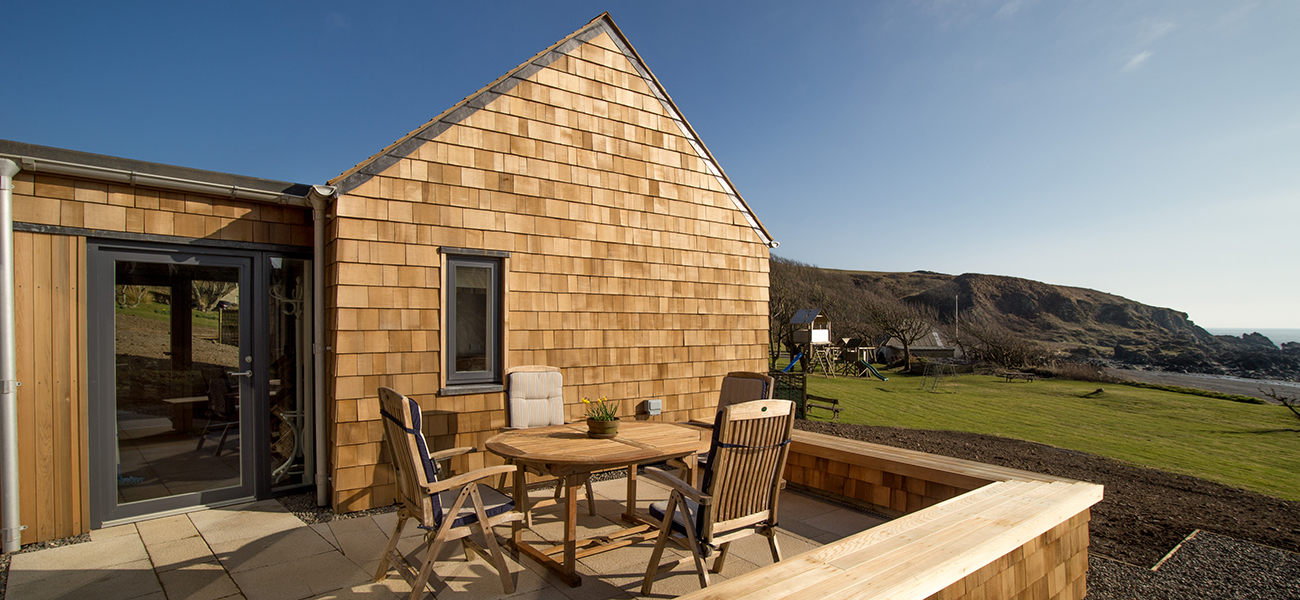
While timber shingles can be made from various types of wood, in the UK, they are primarily made from cedar. Because it is naturally rich in oils, cedar is resistant to splitting, weathering and insect attack, and cedar roof shingles are well suited to the damp British climate. They can also be treated with preservatives to enhance long-term durability.“Cedar shingles are suitable for a wide range of applications, including residential homes, heritage properties and commercial buildings. They are also commonly used for smaller structures such as garages and garden sheds,” says Faye Ratcliffe, technical team leader at Marley.
“When they’re first installed, cedar shingles have a warm honey colour. This gradually weathers to a silvery grey within the first year,” she adds.
Faye explains that cedar roof shingles are extremely versatile in terms of design and can complement a variety of architectural styles. “With the right product and installation, cedar shingles can create a sleek, modern roof with a smooth, uniform finish, or a charming, rustic roof that highlights the wood's natural texture for a more organic appearance,” she says.
With proper specification, installation and maintenance, cedar shingles can last up to 50 years. They are resistant to frost and high winds and provide good acoustic and thermal insulation.
Metal roof shingles
Metal shingles are most commonly manufactured from aluminium or steel, although zinc, copper and other metals are also used.While metal shingles are generally more expensive and heavier than other types, they also offer strength, weather resistance and longevity, with lifespans ranging from around 30 years to more than 100, depending on the material and installation.
In the UK, metal shingles are typically used on smaller buildings such as garages and outbuildings. With the right design, specification and installation, they may also be suitable for larger projects.
Bitumen roof shingles
Made from bitumen – a viscous petroleum-based material also used in road construction – and crushed rock with fibreglass reinforcement, bitumen shingles are sometimes referred to as felt shingles.These are the most popular type of roof covering in North America and some other regions where timber-framed housing is standard. In the UK, however, bitumen shingles are typically only used for small structures because they do not provide the same long-term resistance to the high moisture and frost conditions typical of the UK climate. Depending on use and installation, bitumen roof shingles can last 20–40 years.
What’s the difference between roof shingles and shakes?
When it comes to timber roof coverings, shingles aren’t the only option. There are also shakes.
Shingles and shakes are very similar, but they differ in how they are made and how they look.
- Shingles are made by sawing a block of wood on both sides. This results in a smooth, uniform appearance.
- Shakes are hand-split along the wood's natural grain and then re-sawn, producing a more uneven, textured surface for a rustic or whimsical appearance.
Marley Western Red Cedar shingles and shakes
Marley’s shingles and shakes are manufactured from responsibly sourced Western Red Cedar, offering a natural and distinctive option for roofing and vertical cladding.
Manufactured from renewable timber with full PEFC chain-of-custody certification, Marley Western Red Cedar shingles and shakes also offer sustainability with a low carbon footprint.
“With their warm colour and natural character, Marley’s cedar shingles and shakes offer design flexibility for projects ranging from residential homes and garden structures to commercial and public buildings,” Faye explains.
At Warwick Castle, for example, Marley’s cedar shingles were used to cover the roofs of 28 medieval-themed glamping lodges. The accommodations were designed to blend with the surrounding woodland and reflect the historic atmosphere of the castle.
“Our Western Red Cedar roof shingles provided an authentic appearance to give visitors to Warwick Castle a more immersive experience. Plus, their weather resistance and durability mean they should provide a low-maintenance option for many years,” says Faye. “Thanks to their responsible sourcing and low carbon footprint, the cedar shingles also contributed to the project’s sustainability goals.”
Roof shingles and the Marley Roof System
As part of the Marley Roof System, our Western Red Cedar shingles and shakes can be used as roof coverings for a wide range of residential and commercial applications, including homes, offices and leisure buildings. They’re also ideal for smaller structures or for use as vertical cladding, and they are fully compatible with other Marley roofing products, such as JB Red battens, underlays and Marley SolarTile®.
To learn more about Marley’s Western Red Cedar shingles, please visit our dedicated product page or you can purchase our Western Cedar Shingles here.
Disclaimer - The information shared in this blog is correct at the time of publication. Guidance, standards, and best practices may change over time, so if you’d like further clarification or the latest updates, please get in touch with the Marley Technical Advisory Team, who will be happy to help.
Category: Environmental Roof Tiles Roofing Shingles and Shakes Timber