A guide to maintaining and replacing shingles and shakes
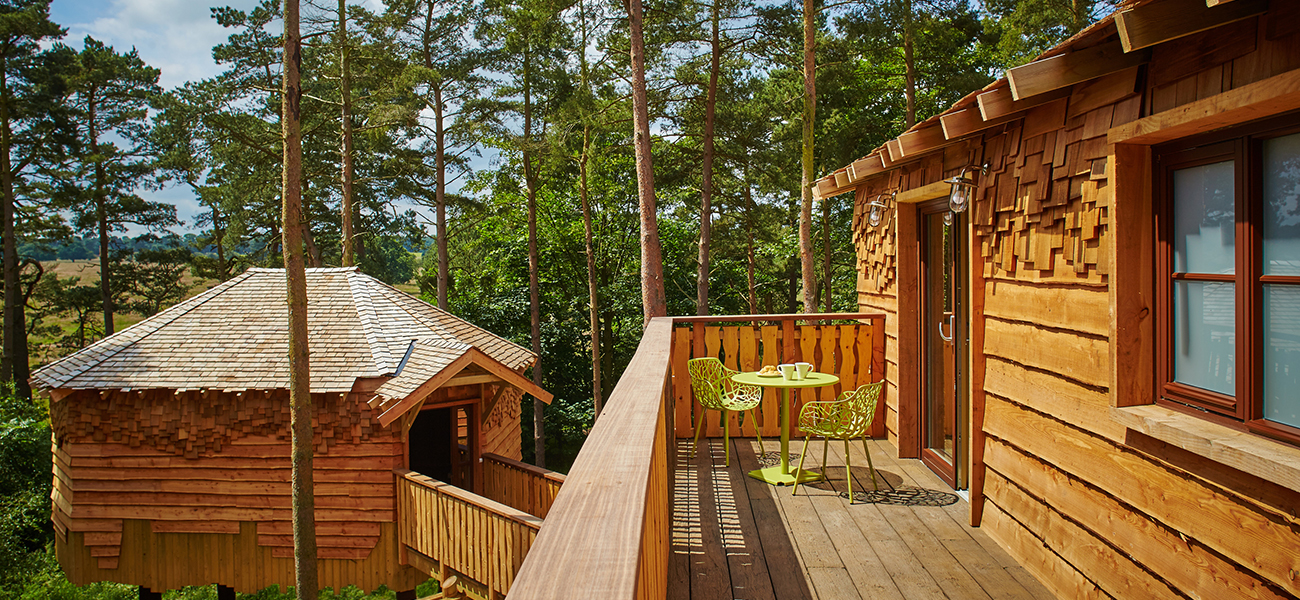

Cedar shingles and shakes are known for their durability and natural charm. Suitable for use on roofs or as cladding, they provide years of service when installed correctly and require minimal maintenance.
Typically, you shouldn’t need to replace shingles and shakes unless the roof or facade has reached the end of its service life. However, if damage does occur, replacing individual shingles and shakes is a straightforward process.
When should shingles or shakes be replaced?
Signs that cedar shingles and shakes may need replacing include:
- Splitting
- Cracking
- Impact damage
- Excessive weathering
- Movement
- Missing shingles or shakes
In most cases, damaged shakes and shingles can be replaced individually, without disturbing the rest of the roof covering.
Why replace cedar shingles and shakes?
It is important to replace cedar shingles and shakes when they are damaged or missing, says Faye Ratcliffe, Technical Team Leader at Marley. “This will help maintain the roof’s appearance, while ensuring it continues to perform as intended,” she explains.
Marley’s shingles and shakes are manufactured from Western Red Cedar, which brings several benefits to a roofing project:
- Sustainability – Shingles and shakes are made from timber, which is a renewable resource.
- Performance – Cedar shingles and shakes are rigid, lightweight and resistant to weather and temperature extremes.
- Insulation – Western Red Cedar offers excellent thermal performance. It is a better insulator than other commonly available softwoods and has lower thermal conductivity than brick, concrete or steel.
- Appearance – The natural variations in individual shingles and shakes work together to create a tapestry of grain, texture and colour.
What’s the difference between shingles and shakes?
When replacing shingles and shakes, it’s important to know precisely what the existing roof covering is.
Timber shingles are produced by sawing a cedar block on both sides. They tend to have a smoother, more consistent texture and appearance.
Alternatively, shakes are either hand-split, which produces a rustic finish, or split along the natural grain of the wood and then re-sawn to produce one smooth surface.
How to replace roof shingles and shakes
Replacing cedar shingles and shakes isn’t something you should need to do very often. However, if a shake or shingle does need to be replaced, the process is straightforward.
The replacement of roof shingles and shakes should be carried out by trained roofing professionals, with all work undertaken in accordance with relevant health and safety requirements for working at height.
Choosing replacement shingles and shakes
Marley Western Red Cedar Shingles and Shakes are supplied ready to use. Because they are made from 100% heartwood, our cedar shingles and cedar shakes have a long natural life, even without treatment.
When replacing roof shingles and shakes, we recommend that they be treated. Marley shingles and shakes can be preservative-treated with MicroPro®, a clear treatment guaranteed against insect attack, rot and decay for 40 years. “Untreated shingles and shakes are not recommended for roofing projects,” Faye warns.
How to maintain and care for cedar shingles and shakes
Once fixed, the replacement shingles should not require any further treatment or special maintenance. Ideally, the roof should be kept clean and free of debris.
“Regular inspections should also be carried out to help identify issues such as debris build-up, plant and moss growth, animal nesting or damage,” Faye recommends. “Spotting these issues early can help to maintain roof performance and reduce the need for shake and shingle replacement throughout the roof’s lifespan,” she adds.
Find out more about replacing shingles and shakes with Marley’s Western Red Cedar
If you’re looking to replace shingles and shakes, please visit our product pages or download our Shingles and Shakes brochure. You can also get in touch with a member of our technical team to discuss your project in more detail.
Disclaimer - The information shared in this blog is correct at the time of publication. Guidance, standards, and best practices may change over time, so if you’d like further clarification or the latest updates, please get in touch with the Marley Technical Advisory Team, who will be happy to help.
Category: Roofing Shingles and Shakes Timber