Roof apex FAQs
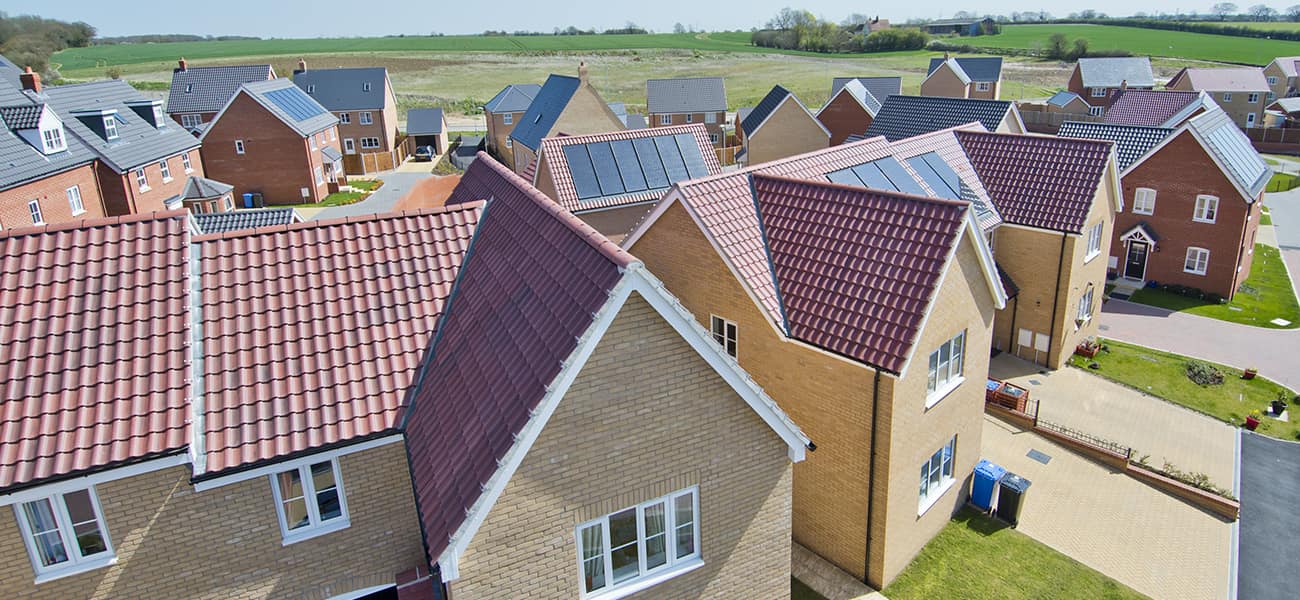

Most roofs have a roof apex – it is a common feature that all pitched roofs have. However, the term is often misunderstood or used interchangeably with other roofing terms. In this series of FAQs, we'll explain what a roof apex is, its function and how it’s constructed and weatherproofed.
What is a roof apex?
A roof apex, also sometimes called the peak, is the highest point on a roof where two or more roof slopes come together. The term often refers to the roof ridge but can also describe a single point, such as on a conical roof or a pyramid hip roof. An apex is typically near the centre of the roof, but it may be offset to one side.
What is an apex roof?
An apex roof can be any roof with two or more slopes that meet to form the apex. Common examples include gable roofs, hip roofs and conical roofs. For clarity, it’s generally better to describe such a roof as a “roof with an apex” rather than using the term “apex roof.”
What is the difference between a roof ridge and a roof apex?
Often, a roof ridge is also the roof apex – but not always. In some cases, a roof may have multiple ridges at various heights. Only the highest ridge would be called the apex. Additionally, some roof types, such as pyramid hip roofs and conical roofs, don’t have a ridge, but they do have an apex.
What is the function of a roof apex?
The roof apex itself performs a function; it’s simply the highest point where two or more roof slopes meet. However, it does play several important roles in the design and performance of a roof. Structurally, for example, it helps transfer loads throughout the roof structure. Aesthetically, the apex gives the roof its shape.
In addition, the roof apex is a key area for roof weatherproofing and ventilation. The angle of the roof apex determines the slope angle and how quickly rainwater and snow are directed away from the roof.
Proper detailing is also essential to prevent wind, rain and snow from entering through the roof apex. Since warm, moist air rises, it can accumulate in the apex – so suitable ventilation is a must to prevent condensation and associated problems such as damp, mould and mildew.
How does the roof apex support the roof structure?
The roof apex is the point where roof planes meet. It’s not a structural element in itself, but rather a junction where key structural components, such as rafters and trusses, come together. This junction is critical for the roof’s structural integrity, helping to transfer loads to the walls and distributing the weight of rain, snow and wind across the structure.
Does the roof apex play a role in preventing roof condensation?
Because warm air rises, bringing water vapour with it, the roof apex can be prone to condensation and excess moisture when ventilation is inadequate. Therefore, proper ventilation is a key consideration for the roof apex.
BS 5250:2021, the code of practice for the management of moisture in buildings, provides guidance on ventilating roof ridges. Depending on the roof construction, BS 5250 typically recommends continuous high-level ventilation along the roof ridge (or apex) to allow moisture to escape. Marley's universal ridge system provides a simple, effective and aesthetically pleasing option for ensuring continuous ventilation along the roof apex using mechanical fixings.
What materials are used in roof apex construction?
The materials used at the roof apex will depend on the roof construction and the type of roof covering. For pitched roofs, clay or concrete ridge and hip tiles are common choices, providing both weatherproofing and a finished appearance at the apex.
BS 5534:2014+A2:2018, the code of practice for slating and tiling for pitched roofs and vertical cladding, sets out the requirements for fixing and detailing roof ridge tiles. It states that in most cases, mechanical fixing is required at the apex, rather than mortar bedding. Mechanical fixing helps resist wind uplift and ensure long-term durability. Marley's dry-fix ridge systems make it easy to achieve the requirements of BS 5534, while also simplifying installation and providing reliable weatherproofing and ventilation at the roof apex.
Where can I learn more about specifying and constructing a roof apex?
To find out more about the roof apex, including detailing, ventilation and weatherproofing using Marley components, please download our product brochure. You can also contact a member of our team to discuss project requirements in detail.
Disclaimer - The information shared in this blog is correct at the time of publication. Guidance, standards, and best practices may change over time, so if you’d like further clarification or the latest updates, please get in touch with the Marley Technical Advisory Team, who will be happy to help.