What is the Minimum Pitch for a Roof Tile?
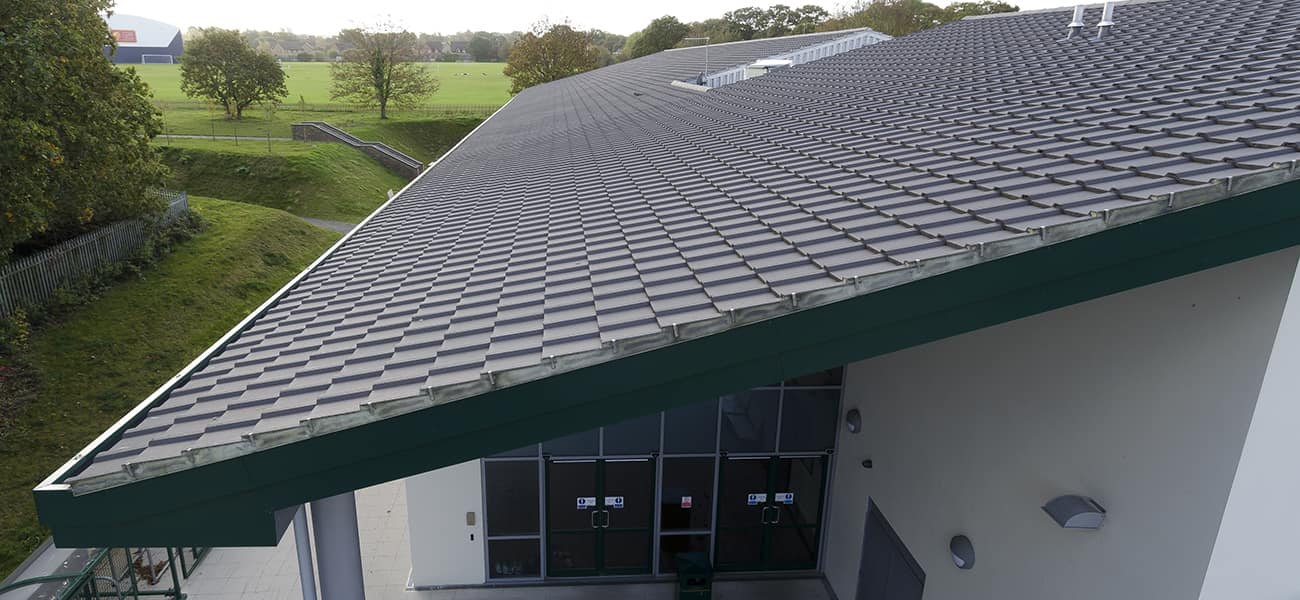

When choosing a roof tile, there’s a lot to consider. There are aesthetic qualities like texture, colour and shape. There are also more technical factors, such as headlaps, covering capacity and minimum roof pitch.
In this guide, we will explain roof pitch, why minimum roof pitch matters and how to choose roof tiles that are suitable for low-pitch roofs.
What does 'minimum roof pitch' mean?
To understand what ‘minimum roof pitch’ means, let’s start by defining the typical pitch ranges used in roofing. These can vary, depending on who you’re talking to, but here are some general guidelines:
- Below 10°: flat roof
- 10–30°: low pitch
- 30–45°: standard pitch
- 45–70°: steep pitch
The minimum roof pitch is the lowest angle at which a roof can be built and still be suitable for a specific roof covering. For example, if a roof covering has a minimum roof pitch of 35°, it should not be used on a roof with a shallower slope.
“All tiles have a minimum roof pitch,” notes Kevin Taylor, Training and Technical Support Manager at Marley. “A roof tile’s minimum pitch is established to protect the roof from weather penetration,” he explains. “If a roof tile is used outside of its suitability range, the roof will be less able to shed water efficiently. This can increase the risk of water ingress and may also increase the risk of wind uplift,” he warns.
Why are low roof pitches more common in modern architectural designs?
As architects and specifiers continue to push design boundaries, we're often asked about the minimum pitch for a roof tile. We have seen an increase in requirements for low pitch roof solutions, which is being driven by ongoing demand for large commercial roofscapes alongside a surge in ground floor extensions due to relaxation of planning laws. For example, ground floor extensions often have a limited angle to the roof due to obstructions such as second-floor windows, so low pitch tiles are required.
To ensure design possibilities are not compromised as a result of the need to meet low pitches, manufacturers have focused on developing low pitch solutions across their product ranges, so that a variety of colours, textures, and styles are available.
What are the minimum roof pitches for clay or concrete tiles?
The minimum roof pitch for clay and concrete roof tiles varies depending on the type of tile, its shape and recommended lap.
The Marley range of roof coverings includes a variety of products suitable for low pitches, including clay and concrete roof tiles, as well as cedar shingles and shakes and the Marley SolarTile®:
- Mendip 12.5 is a concrete profiled roof tile that can be used on roofs with pitches as low as 12.5°, although restrictions on rafter length may apply.
- Wessex and Standard Mendip profiled concrete tiles can be used on roofs with pitches as low as 15°.
- Lincoln clay pantiles can be used on roofs with pitches as low as 15°.
- Western Red Cedar Shingles and Shakes can be used on roofs with pitches as low as 14°.
- The Marley SolarTile® can be used on roofs with pitches as low as 20°
Frequently asked questions about low-pitch roof tiles
Q: What pitch should my roof be?
A: Tiled pitched roofs can range from 12.5° (anything less is normally a metal roof of a flat roof) up to 70°, anything over 70 degrees is treated as a wall so is fixed as if it was vertical tiling. If a roof is less than 30 degrees, it is considered a low-pitch roof and will require the appropriate roof tiles.
Q: What happens if a roof covering is used below its minimum pitch?
A: Using a roof covering below its minimum pitch increases the risk of water ingress, wind uplift and condensation. It may also invalidate product warranties.
Q: How can I build a low-pitch roof without compromising performance?
A: To ensure a low-pitch meets the necessary performance requirements, choose roofing products that are designed for low-pitch applications. Also ensure that installation and detailing are carried out to a high standard. This may mean increasing the headlap of the tiles, typically from a minimum of 75mm to 100mm. The suitability of roof tiles and other roofing products can be verified by checking technical data sheets and BBA certificates. If in doubt, ask the manufacturer for guidance.
Low-pitch roof tiles from Marley
The Marley Roof System includes a range of compatible roofing components – including roof battens, underlays, roof tiles, ventilation systems, dry-fix accessories and solar PV – designed to work together as a complete system.
Several Marley roof coverings can be specified for use on low-pitch applications when installed in accordance with Marley’s fixing and underlay recommendations. These systems have been tested to demonstrate their suitability for the stated minimum roof pitches.
For technical guidance on product selection or advice on designing and constructing low-pitch roofs in line with relevant standards, contact the Marley Technical Team.
Disclaimer - The information shared in this blog is correct at the time of publication. Guidance, standards, and best practices may change over time, so if you’d like further clarification or the latest updates, please get in touch with the Marley Technical Advisory Team, who will be happy to help.